BPC-157 & TB-500 Blend and Tissue Repair
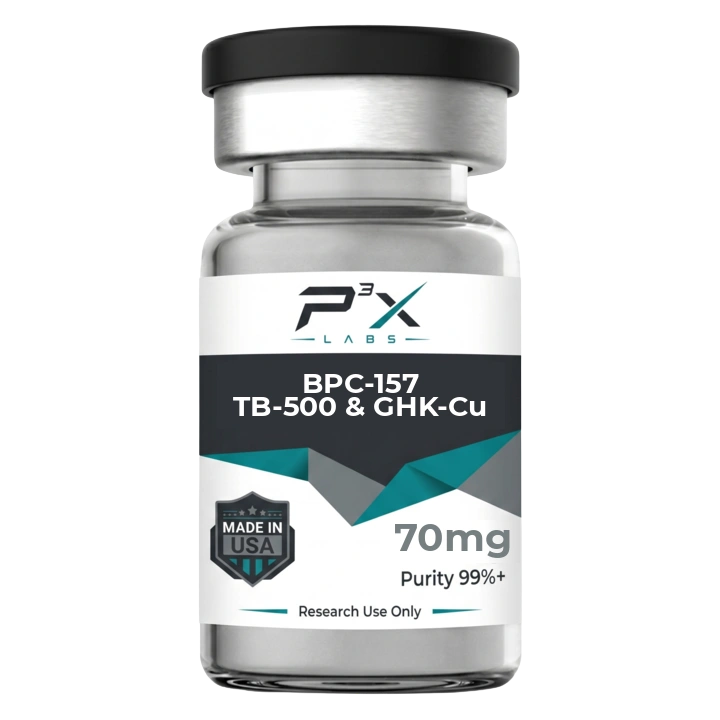
In one study with Tβ4 conducted in 1999, experimentally wounded murine models were used as subjects, where half the number of murine models were presented with saline and the rest were presented with TB-500 peptide. The main aim of this study was to determine the potential tissue repair action of the peptide. Four days after the experiment, it was reported by the researchers that the murine models presented with TB-500 showed an apparent 41% increment in the re-epithelialization process (i.e., formation of new epithelial cells to resurface the wound).
Study Design
After seven days, the wounds presented with TB-500 had reportedly contracted by at least 11% as compared to the saline wounds. The authors commented that “ these results suggest that Tβ4 is a potent wound healing factor with multiple activities... ” In another 2006 clinical trial, 72 test subjects with pressure ulcers were presented with TB-500. The main aim of this randomized, double blind study was to establish the potential of thymosin beta 4 (analogous to TB-500) in ulcer presence. The test subjects were divided into two groups, where one group was presented with placebo for 84 days and the rest were presented daily with various concentrations of the peptide, for up to 84 days.
Key Findings
After 84 days, there was an occurrence of wound healing process where the ulcers reportedly exhibited signs of healing. In a BPC-157 study, three experimental murine models were used as subjects where all were experimentally wounded, with either acute or chronic wounds. These murine models were then divided into two groups, where one was presented with a placebo compound and the other was presented with BC-157 peptide. After the experiment, all the murine models were histologically examined, and it was determined that the murine models with BPC-157 exhibited a prominently higher number of collagen and blood vessels formed as compared to the placebo murine models.