
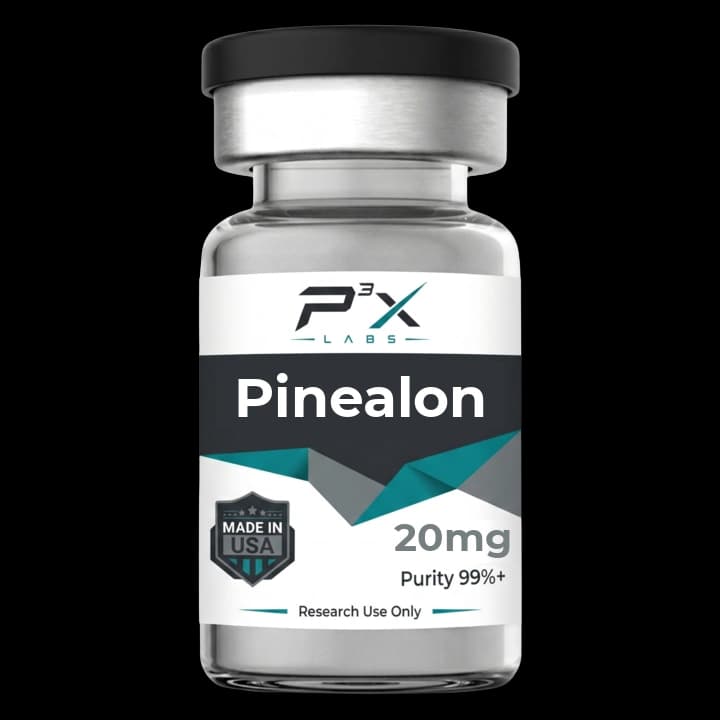
Pinealon Peptide and Cell Aging
The main purpose of this clinical study was to analyze the cellular and metabolic aspects of synthetic tripeptides, including Pinealon and a similar peptide called Vesugen. As part of this study, research models of poly-morbidity and organic brain syndrome were observed.
Proposed Mechanism
Both peptides exhibited apparent anabolic potential; researchers reported improvement in the functioning of the central nervous system and other vital organs compared to control models. The peptides did not appear to affect the degree of chromatin condensation, which the researchers indicated may suggest that the peptides do not act on cellular levels.
Key Observations
Another separate study has suggested that the Pinealon peptide may potentially act on muscle cells, modulating the levels of irisin. Scientists consider irisin to be central to muscle cell protection and mainly secreted during physical strain.
Study Design
Irisin may lead to the burning of excessive fat cell stores and is assumed by researchers to induce an elongation of telomeres (DNA caps) as well. By potentially increasing irisin levels, Pinealon may potentially exert protection of DNA telomeres and counteract cell aging action to some degree.