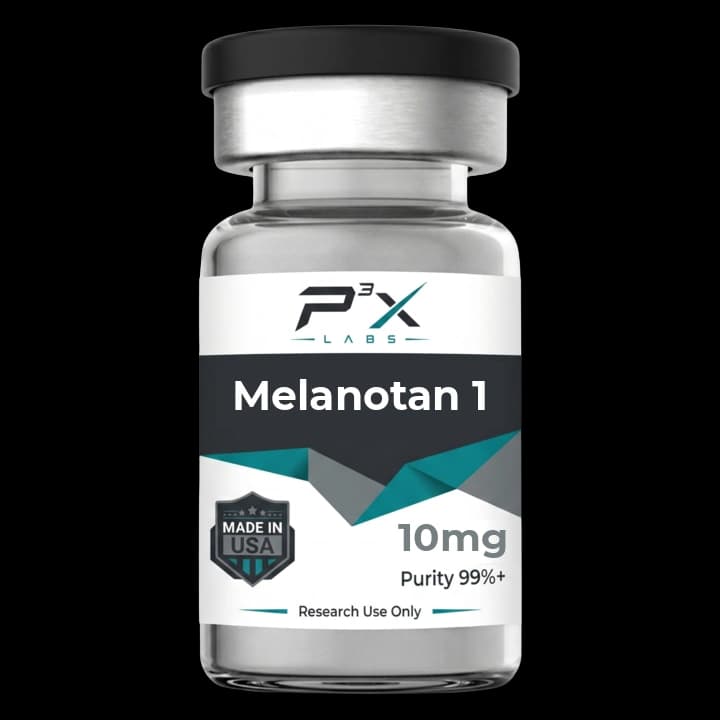
Melanotan 1 and The Melanocortin System
Melanotan 1 is hypothesized to exert its actions by interacting with melanocortin receptors (MCRs), which are considered to be crucial signaling pathways in widespread biological processes. It is believed that five distinct melanocortin receptors exist, labeled melanocortin 1 receptors (MC1Rs) through melanocortin 5 receptors (MC5Rs), each associated with specific potential roles: MC1R: This receptor is thought to reside in melanocytes - a kind of skin cell that may influence skin and hair pigmentation, potentially by promoting melanin synthesis.
Key Findings
MC2R: Reportedly located in the adrenal cortex, it is suggested that this receptor may play a role in the production of cortisol. MC3R: Found in various tissues, including the brain and placenta, MC3R has been implicated in regulating appetite and maintaining energy homeostasis. MC4R: Believed to be situated in the central nervous system, particularly within the hypothalamus, it is speculated that MC4R may have an impact on sexual behavior, erectile function, and the balance of energy within the organism. MC5R: While it appears to be expressed across multiple tissues, the precise physiological function of MC5R remains somewhat elusive, though it is speculated to play a role in exocrine processes. Researchers have suggested that Melanotan 1 may exhibit a particular specificity towards MC1R, ostensibly enhancing melanin production, which, in turn, is thought to result in a tanned appearance of the skin tissues.
Proposed Mechanism
Notably, the peptide is believed to possess a greater affinity for MC1R over α-MSH, suggesting that it might increase melanin production, thereby promoting skin pigmentation even in the absence of sunlight exposure. More specifically, researchers posit that " when Melanotan I activates MC1R, cAMP is produced, and it activates microphthalmia transcription factor (MITF) expression, which induces the expression of enzymes for eumelanin production. " These proposed interactions underscore the complexity of Melanotan 1's mode of action and highlight the need for further investigative research to fully understand its mechanisms and potential implications in certain biological processes.