AOD 9604 Peptide and Lipolytic Activity
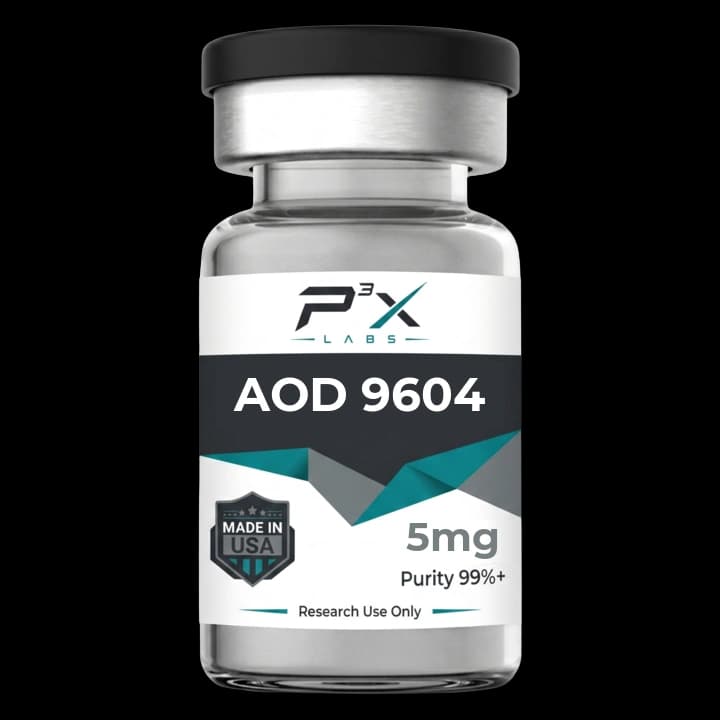
Early studies were carried out on obese mice where the AOD 9604 peptide was periodically introduced for 14 days. Following the experiment, the results reported a reduction in weight and excess fat. These results appeared directly correlated with the increased levels of major lipolytic receptors, beta-AR, found in the fat cells.
Proposed Mechanism
AOD 9604 peptide appeared to exhibit action similar to hGH wherein both may be capable of increasing repressed levels of lipolytic receptors in obese mice as compared to the lean mice. To confirm whether the lipolytic action of AOD 9604 might merely be associated with the increased lipolytic receptor levels, additional studies were carried out where AOD 9604 was given to mice with knocked out lipolytic receptors. Further analysis suggested that the AOD 9604 peptide enacted the lipolytic action via increased energy expenditure and fat oxidation. Both these findings on chronic and acute action of AOD 9604 suggested that while enhanced beta-AR expression may have played a role in the chronic action of the compound, beta-AR might not be the sole arbiter in this reaction.
Key Observations
Oxidation and enhanced energy expenditure appeared to be vital in the proposed action of the peptide. In 2000, a research study was carried out in obese Zucker rats where the AOD 9604 peptide was given daily for 19 consecutive days. Following the study, it was reported that weight appeared to be reduced in all rats by over 50%, in comparison to the rats given a placebo. Further analysis suggested that the adipose tissues of the AOD 9604 peptide animals had increased lipolytic activity and no marked insulin sensitivity interruption in the animals.